The Outer Banks are a thin line of barrier islands with one road, four national seashore campgrounds and a ferry. Storms can close the road, only one campground has hookups, and the ferry that connects Ocracoke prices by vehicle length.
Best months: April–early June and September–OctoberRules checked October 14, 2026How to use this guide
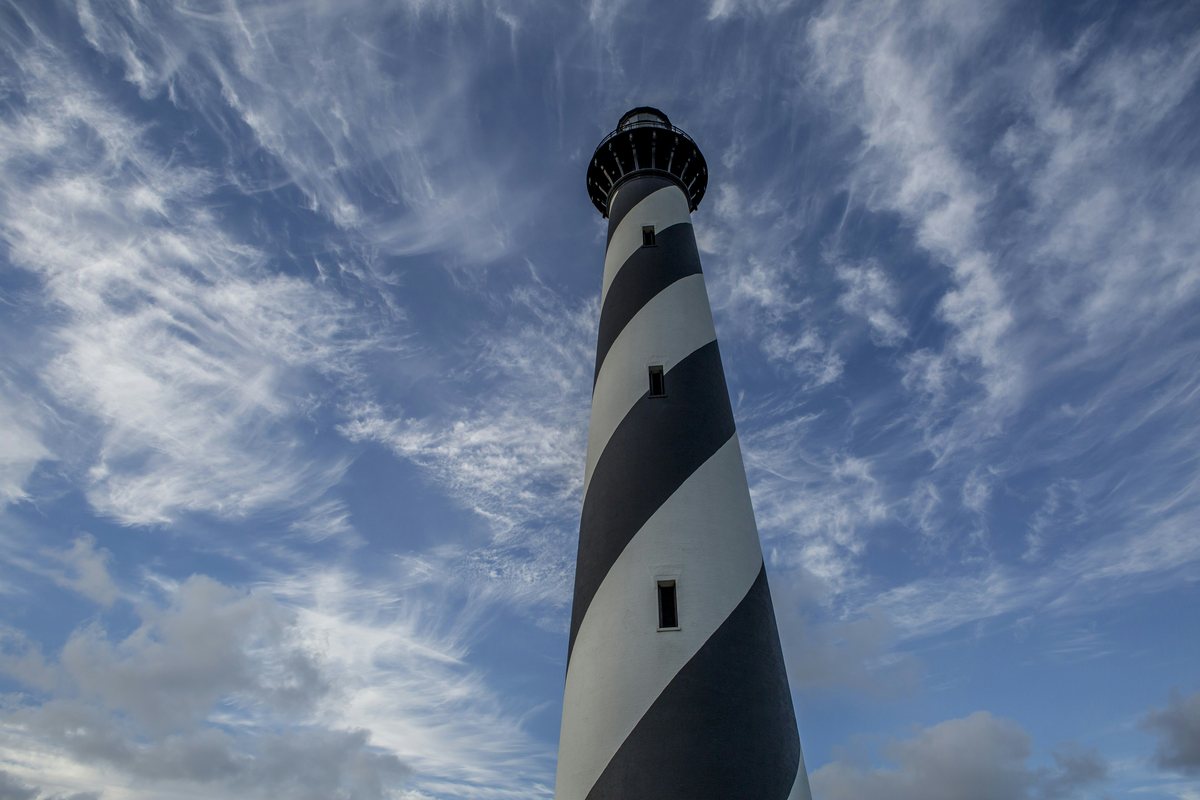
Cape Hatteras Lighthouse on the Outer Banks.
The short version
The Outer Banks stretch for about a hundred miles along a thin line of islands, with the Atlantic on one side and Pamlico Sound on the other. NC-12 is the main road on Hatteras Island and Ocracoke, and it is also the point of failure: overwash from storms, sand and flooding close sections of it, sometimes for days. The Hatteras–Ocracoke ferry is a second link that depends on weather, schedule and the day’s lines.
Cape Hatteras National Seashore runs four campgrounds, all open to tents, trailers and RVs. Only Oregon Inlet has electric and water hookups, at 47 of its 107 sites. The others are dry. Soil is sandy, there is little shade and the wind and bugs are real. Plan on strong tie-downs, bug protection and a flexible schedule. In exchange you get miles of wide, uncrowded beaches, lighthouses and a very different feel from the mainland.
Best for
Beaches, lighthouses, birding and fishing from a simple base
Travelers who like to read the weather and stay flexible
Spring and fall trips; September–October if you accept hurricane risk
Think twice if
You need hookups at a national park campground and Oregon Inlet is full: the other three have none
You can’t adjust plans if NC-12 closes or the ferry schedule changes
You want to drive on the beach in an RV. Beach driving needs a permit and a 4WD vehicle, not a motorhome
Rig fit
Oregon Inlet: electric and water at 47 of 107 sites, $35; $28 without utilities
The other three campgrounds have no hookups
Ferry fares: under 20 ft $15; 20–40 ft $30; 40–65 ft $45 (2023 fare table)
Trip at a glance
Where to base
Oregon Inlet (Nags Head), Cape Point (Buxton), Frisco, Ocracoke; private campgrounds in Rodanthe, Avon, Buxton and the Nags Head–Kill Devil Hills area
Suggested stay
4 nights on Hatteras Island; 6–7 to add Ocracoke or the northern Outer Banks
Campground season
Oregon Inlet and Ocracoke year-round. Cape Point and Frisco spring through fall. Check Recreation.gov for exact dates
Booking
Online at Recreation.gov or by phone at 877-444-6777. Same-day walk-ups are allowed, but payment must be made online or by phone; rangers cannot take payment at the campgrounds
Stay limits
Easter through the Sunday after Thanksgiving: 14 days per campground. The rest of the year: 30 days total
Hatteras–Ocracoke ferry
Free, first-come, first-served, no reservations, about 70 minutes
Other ferries
Cedar Island–Ocracoke (about 2¼ hours) and Swan Quarter–Ocracoke (about 2½ hours) take reservations up to 90 days ahead
Rig check: campgrounds, ferries and sand
Details come from the National Park Service and NCDOT. The NPS page does not list RV length limits or generator rules, so check your site.
Campgrounds
Oregon Inlet (Nags Head): 107 sites, electric and water at 47, year-round, $28 without utilities and $35 with. Cape Point (Buxton): 202 sites, no hookups, $20. Frisco: 127 sites, no hookups, $28. Ocracoke: 136 sites, no hookups, year-round, $28. All accept tents, trailers and RVs.
Rules
Camping is allowed only in designated campgrounds, not on the beach. Two vehicles (pop-up campers count) and six people per site. Check-out is noon. Oregon Inlet has heated showers; the other three have unheated showers.
Sand, wind and bugs
Soil is sandy, so longer stakes help. There are no shade trees. NPS advises mosquito netting and repellent.
Hatteras–Ocracoke ferry
About 70 minutes, free and first-come, with no reservations. It’s usually the practical way to reach Ocracoke.
Cedar Island and Swan Quarter ferries
Reservations up to 90 days ahead (recommended). Fares are by length: under 20 ft $15, 20–40 ft $30, 40–65 ft $45 in the 2023 table. The pages we read do not describe RV or trailer limits, so call NCDOT with your exact dimensions.
Ocracoke Express
A passenger ferry. It does not carry your RV.
Beach driving
Not an RV activity. It requires a permit and a suitable 4WD vehicle.
When to go
Weather and ferries set the calendar more than crowds do.
Time of year
What to expect
April to early June
Mild weather, light crowds, strong winds. Campgrounds open on spring schedules (Cape Point and Frisco). Stay limits are 14 days from Easter.
Summer
Hot, busy and bug-heavy. Ferry lines and beach traffic are at their longest. Book campsites months ahead.
September to October
Warm water and fewer crowds, but the peak of hurricane season. Storm closures and evacuations can happen.
November to March
Cold, windy and quiet. Oregon Inlet and Ocracoke stay open. Stay limit is 30 days total. Nor’easters can cause overwash.
Where to stay with an RV
The four NPS campgrounds are inexpensive and close to the beach. Only Oregon Inlet has hookups, so choose it first if you need electricity, and expect sandy, windy sites everywhere.
Oregon Inlet Campground (Nags Head)
National Park Service
Sites
107; electric and water at 47
Cost
$28 without utilities; $35 with
Season
Year-round
Showers
Heated
Best for: The only NPS campground on Hatteras Island with hookups and heated showers, near the Marc Basnight Bridge and Pea Island.
Watch out: Utility sites book first. Group camping and utilities are not discounted for senior/access passes.
Cape Point (Buxton) and Frisco
National Park Service
Cape Point
202 sites, $20, no hookups, spring–fall
Frisco
127 sites, $28, no hookups, spring–fall
Showers
Unheated
Best for: Close to the Cape Hatteras Lighthouse and the beach. Choose for the location and price, not for comfort.
Watch out: No shade, sandy soil and wind. These are also the campgrounds most exposed to evacuation closures.
Ocracoke Campground
National Park Service
Sites
136; no hookups
Cost
$28
Season
Year-round
Access
By ferry only
Best for: A quieter island base beside Ocracoke Village. Taking the rig across depends on the ferry rules for your length.
Watch out: Confirm ferry acceptance and plan for NC-12 or ferry delays.
Best for: Rigs that need full hookups or want pools and laundry.
Watch out: We did not verify specific parks or rates. Summer pricing is steep and minimum stays are common.
Evacuation orders can close campgrounds on Ocracoke and Hatteras Islands; NPS has issued notices naming three campgrounds closing during non-resident evacuations. Keep trip-interruption coverage if you travel in hurricane season.
Itineraries that work with a rig
These plans assume a Hatteras Island base and a tow car for sightseeing.
3 days: Hatteras Island highlights
A short trip with beaches and lighthouses.
Day 1, Oregon Inlet and Pea Island. Set up at Oregon Inlet, then visit Pea Island National Wildlife Refuge for birds and sunset. Check NC-12 conditions first.
Day 2, lighthouses and dunes. Visit Bodie Island Lighthouse and Jockey’s Ridge State Park (the tallest living sand dune system on the East Coast) for a sunset dune walk.
Day 3, Cape Hatteras. Drive south to Cape Hatteras Lighthouse and Buxton beaches. Leave time for the return and check the weather.
5 days: Add history and Ocracoke
Travelers who want the Wright Brothers and a ferry ride.
Days 1–3. Follow the three-day plan.
Day 4, Wright Brothers and Roanoke Island. Visit the Wright Brothers National Memorial in Kill Devil Hills and Fort Raleigh National Historic Site on Roanoke Island.
Day 5, Ocracoke by tow car. Take your tow car on the free Hatteras–Ocracoke ferry (about 70 minutes) to Ocracoke Village for a day. Arrive at the dock early and check the return schedule.
7 days: Add a second base or the mainland ferry
A longer trip that uses the ferry as part of the route.
Days 1–5. Follow the five-day plan.
Day 6, move south. Shift your rig to Cape Point or Frisco, or take the Hatteras–Ocracoke ferry if your length is accepted.
Day 7, mainland or buffer. Take the Cedar Island or Swan Quarter ferry to the mainland (reserve ahead), or keep the day free for wind and weather.
What not to miss
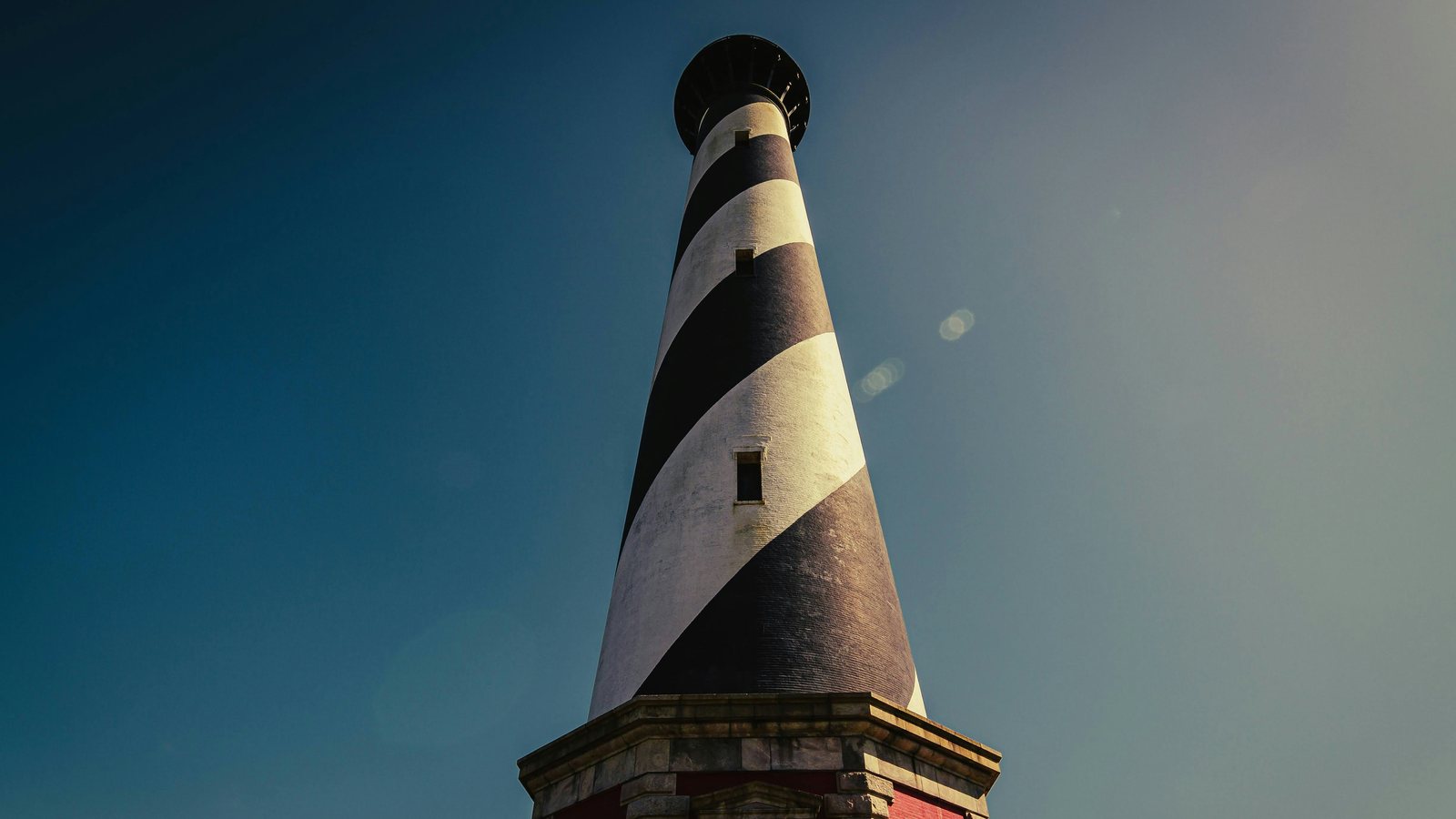
Cape Hatteras Lighthouse with black and white spiral stripes.
Cape Hatteras Lighthouse
The tall black-and-white spiral lighthouse at Buxton is the Outer Banks’ icon. Climbs are seasonal; check the park’s current operations.
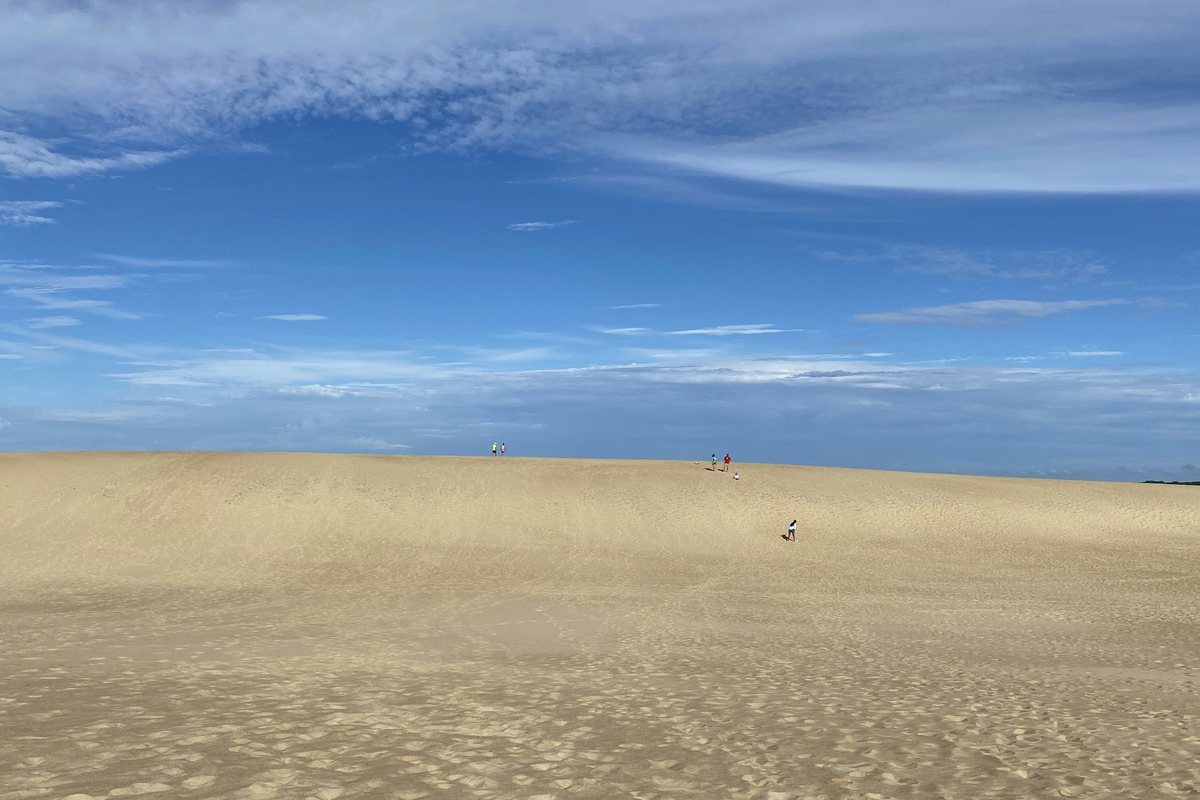
Sand dunes at Jockey's Ridge State Park.
Jockey’s Ridge State Park
Giant shifting dunes in Nags Head, ideal for a sunset walk or kite flying. Check state park hours.
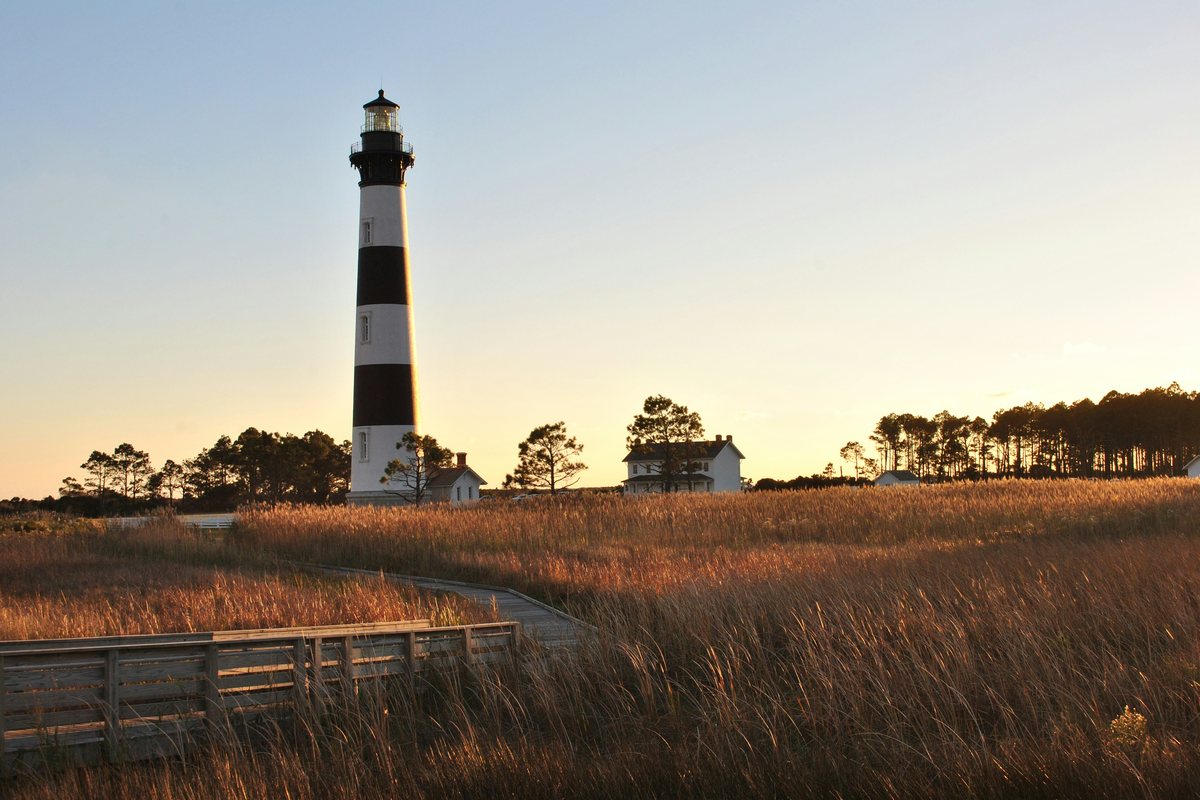
Bodie Island Lighthouse at sunset.
Bodie Island Lighthouse
A striped lighthouse near the north end of the seashore with an easy boardwalk and marsh view.
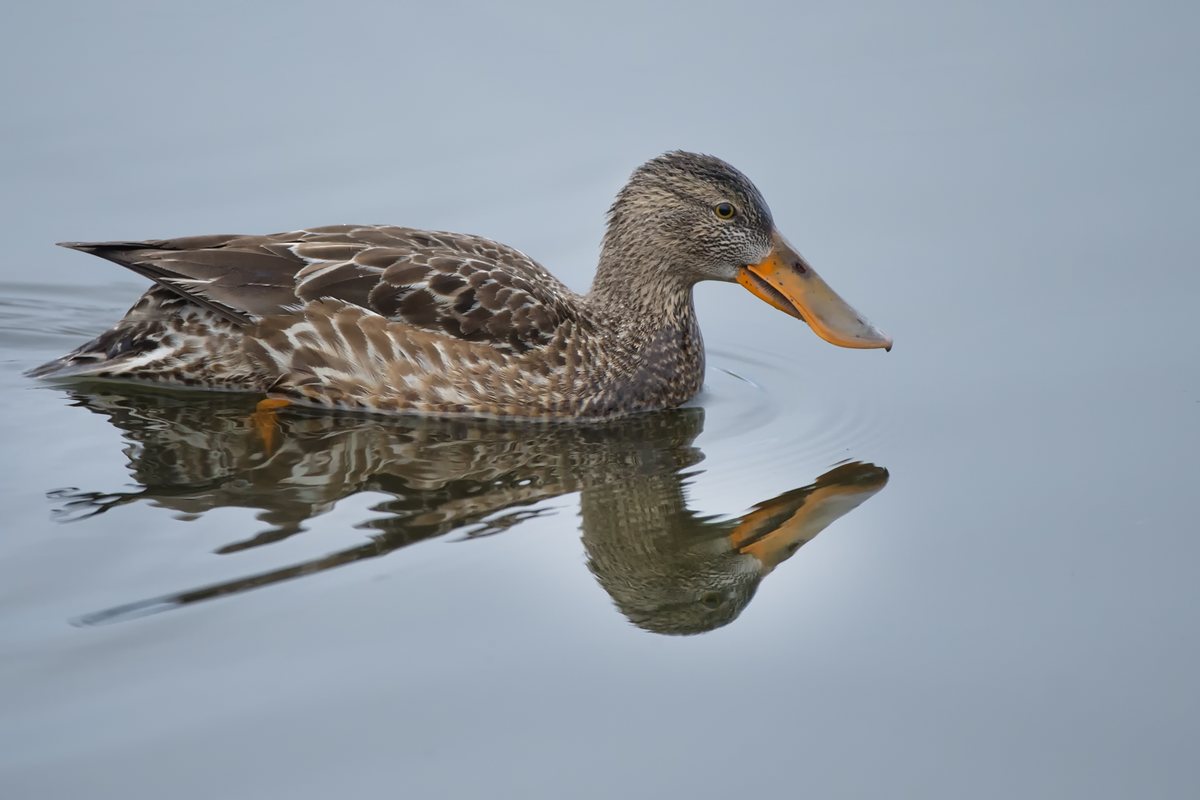
A female Northern Shoveler at Pea Island National Wildlife Refuge.
Pea Island National Wildlife Refuge
A birding hotspot along NC-12. Overwash can close the road here, so check conditions.
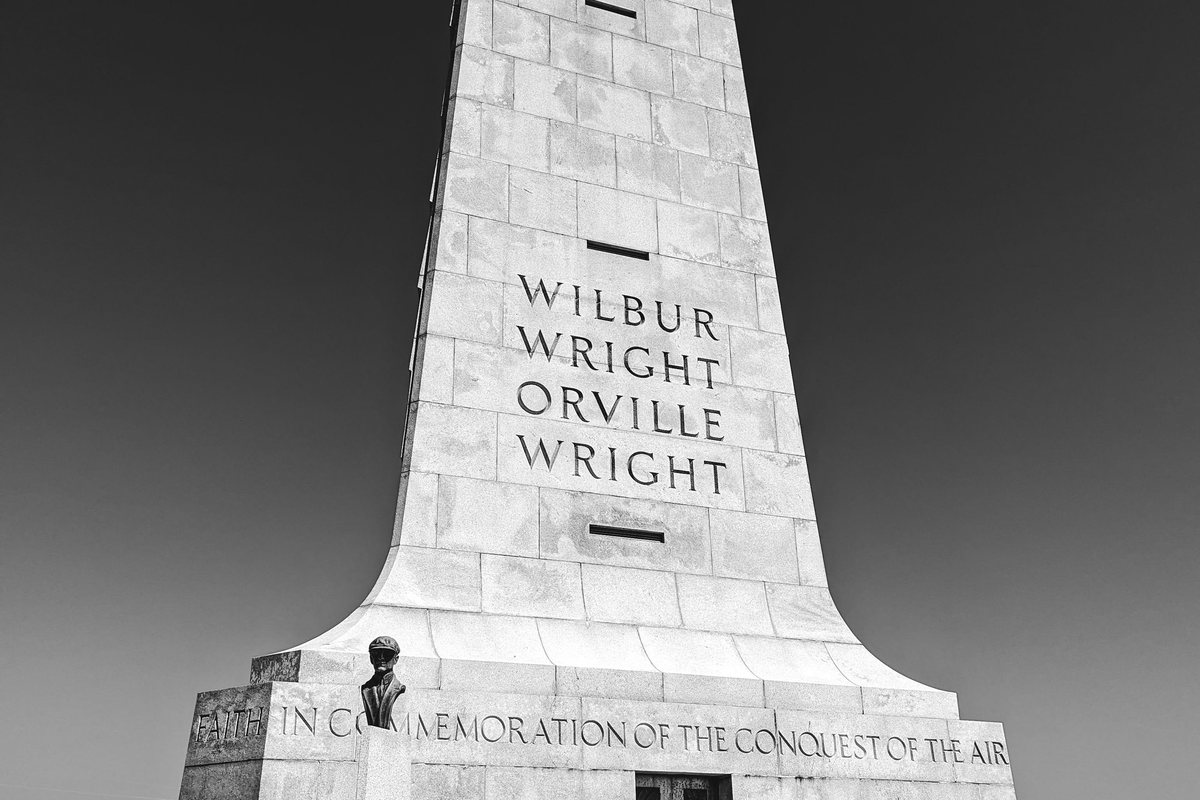
Black-and-white view of the Wright Brothers Monument.
Wright Brothers National Memorial
The site of the first powered flights, with a visitor center and monument in Kill Devil Hills.
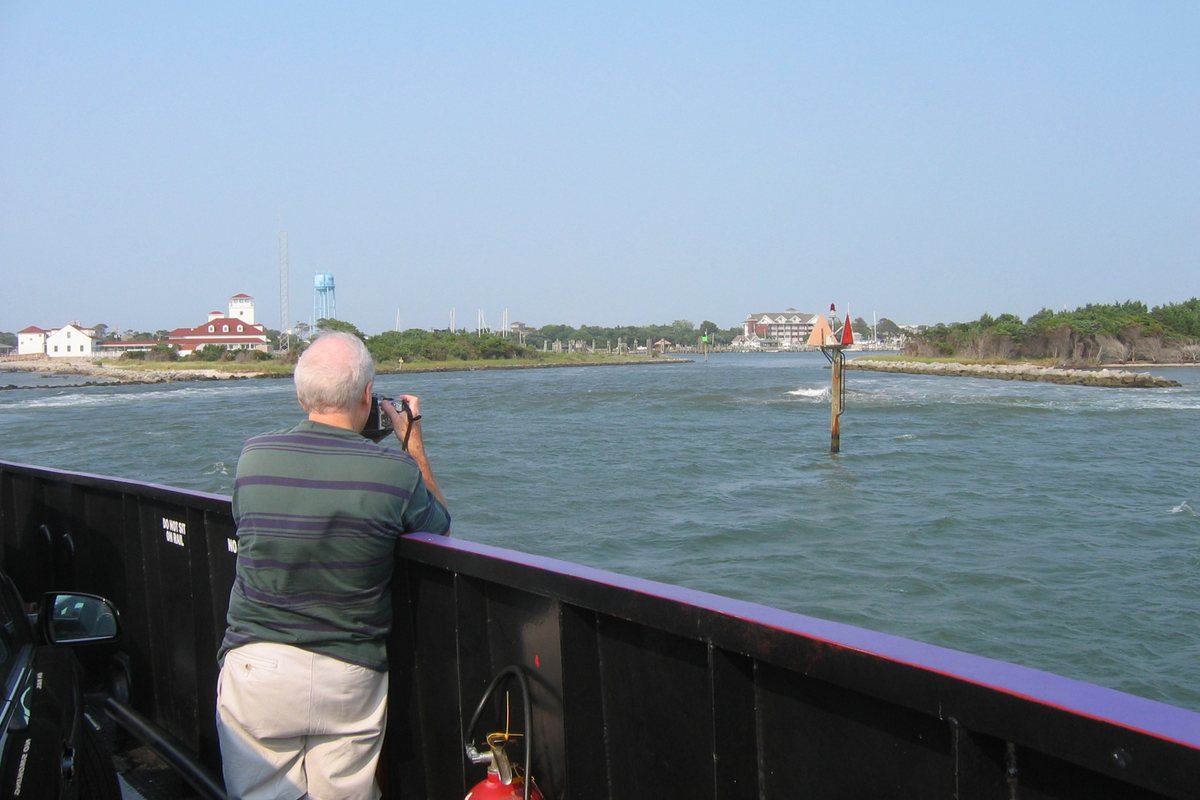
Ocracoke harbor from the ferry (archival photo, 2008).
Ocracoke Village
A small harbor village at the south end of the island, reached by ferry. Walk, bike and eat on the waterfront.
Getting around with a big rig
Check NC-12 first. Overwash and sand can close the road without notice. Use DriveNC and the seashore’s alerts page each morning. If a section is closed, wait rather than detouring onto the beach.
Plan the ferry. The Hatteras–Ocracoke ferry is free and first-come. Arrive early in summer and keep a flexible schedule. For the Cedar Island and Swan Quarter ferries, reserve (up to 90 days ahead) and check in at least 30 minutes before departure.
Tie everything down. Wind is constant. Retract awnings before leaving camp and secure anything that can blow away.
Respect the weather. If a storm is forecast, leave early. Evacuation orders can close campgrounds and roads quickly.
Fuel, groceries, water and repairs
Nags Head and Kill Devil Hills have the biggest grocery, fuel and RV services on the Outer Banks. On Hatteras Island, Avon and Buxton have groceries and fuel at higher prices. Ocracoke Village has limited supplies.
Fill your tank and your water before heading to a dry campground. Oregon Inlet is the only NPS campground with water and electric hookups at some sites.
Budget snapshot
Camping is inexpensive; the ferries and private resorts add cost.
Item
What we found
Note
Oregon Inlet
$28 without utilities; $35 with
Senior or Access Pass holders get 50% off campsites (not utilities or groups).
Cape Point
$20
No hookups.
Frisco and Ocracoke
$28
No hookups.
Hatteras–Ocracoke ferry
Free
First-come, no reservations.
Cedar Island or Swan Quarter ferry
Under 20 ft $15; 20–40 ft $30; 40–65 ft $45
2023 fare table; reservations recommended.
Private RV park
Request a quote
We did not verify rates.
Fees are the amounts listed by the managing agency when this guide was checked. Use the budget worksheet to add fuel, groceries and contingency.
Common questions
Which Cape Hatteras campground has hookups?
Only Oregon Inlet, with electric and water at 47 of its 107 sites. Cape Point, Frisco and Ocracoke have none.
Is the Hatteras–Ocracoke ferry free?
Yes. It is free, first-come, first-served, has no reservations and takes about 70 minutes.
Can I take my RV on the ferry?
NCDOT prices vehicles by length up to 65 ft but the pages we read do not describe RV or trailer limits. Call 1-800-BY-FERRY with your exact length, height and weight.
How often does NC-12 close?
Overwash and storms close sections of NC-12 regularly. In late September 2026, for example, Pea Island and part of Ocracoke were closed.
Can I camp on the beach?
No. Camping is allowed only in designated campgrounds.
When is the best time to visit?
April to early June and September to October offer lighter crowds, but October is peak hurricane season. Summer is busy, hot and buggy.
Sources and what to recheck
Checked October 14, 2026. Road, ferry and campground conditions can change quickly, especially after storms.